


Numatic helps companies with live software ship features, improve UX, and modernize platforms when they need to. Outcome-oriented pods, not ticket queues.
What’s probably true for you right now
Live products go through predictable kinds of pressure. These are the ones we hear most.
Your product is live and working, but the roadmap is moving slower than the business needs
Your internal team is at capacity, and you can’t hire your way out fast enough
You want to add AI capabilities to your product — search, summarization, copilots, intelligent automation — without stalling the rest of the roadmap
The platform is starting to slow you down — performance, architecture, or UX debt — and the cost of ignoring it keeps rising
You’ve tried staff augmentation and it didn’t work because you needed delivery, not just hands
You need a partner you can keep for years, not a vendor for a single project
What changes when this is handled well
A steady, predictable shipping cadence — your roadmap moves at the speed your business needs
Internal team focused on the work only they can do, not stretched across everything
Platform health that supports growth instead of blocking it
A delivery partner that owns outcomes, not just executes tasks
A long-term relationship, not a series of project handoffs
Three ways we work with product teams
Most live-product engagements start in one of three places, depending on whether the priority is forward delivery, platform health, or adding AI capabilities.
My product is live, but it needs steady improvement
Add a focused team that can ship features, improve UX, and keep roadmap delivery moving on a steady cadence.
Our platform is slowing us down and needs an upgrade
Improve performance, architecture, UX, and platform health so your product can support the next stage of growth.
I want to add AI to my product in a practical way
Bring AI into an existing product through assistants, search, summarization, automation, or other targeted capabilities.
Give your product the delivery engine it needs.
If your product is live and you need steady progress without expanding the team, Numatic is built for this.
Live products we help keep moving
Selected examples of how Numatic works with product teams over the long haul.
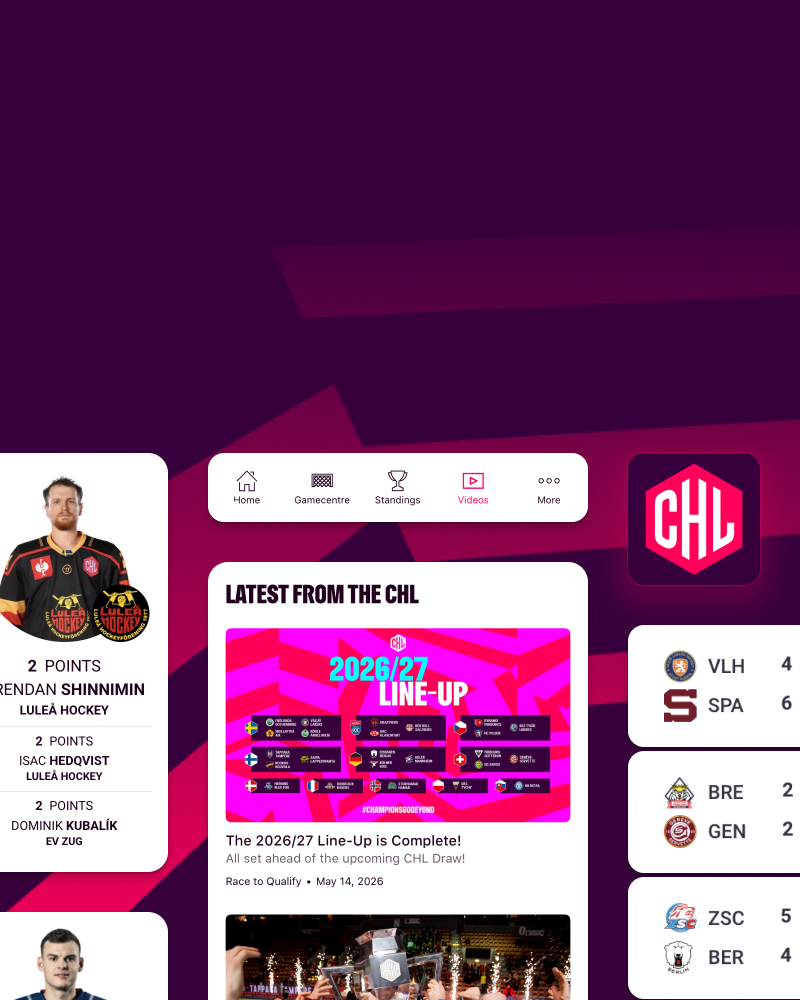
Champions Hockey League
Champions Hockey League
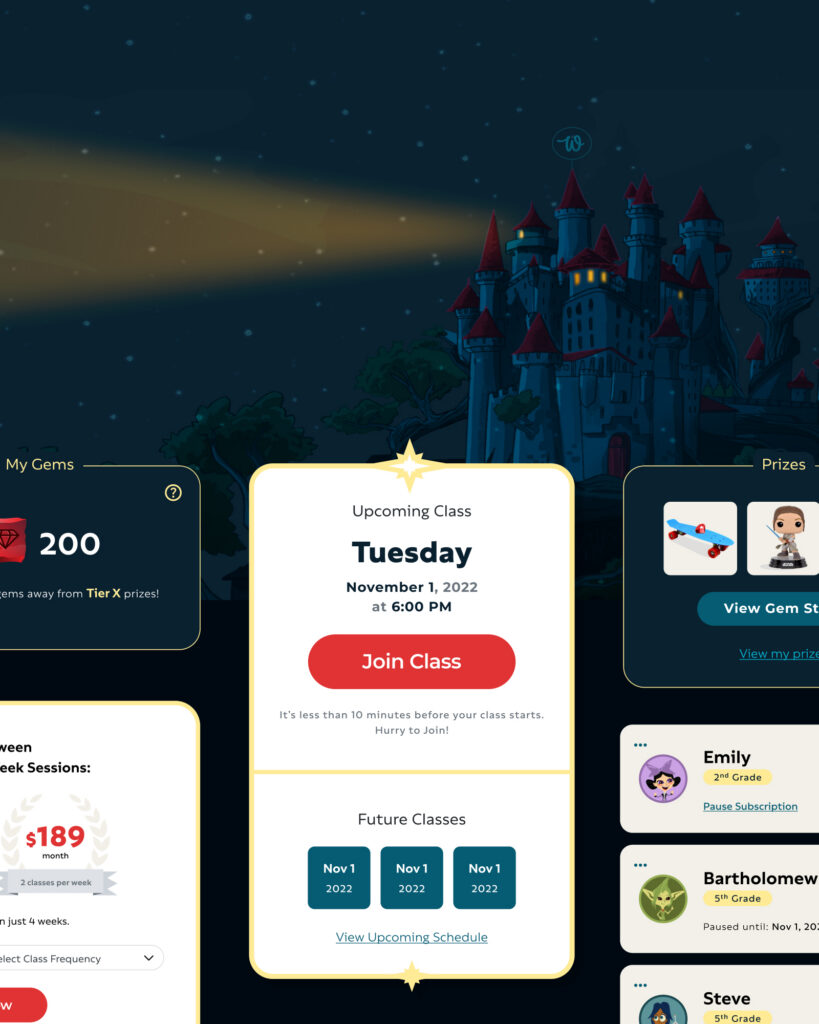
Wonder Math
Wonder Math
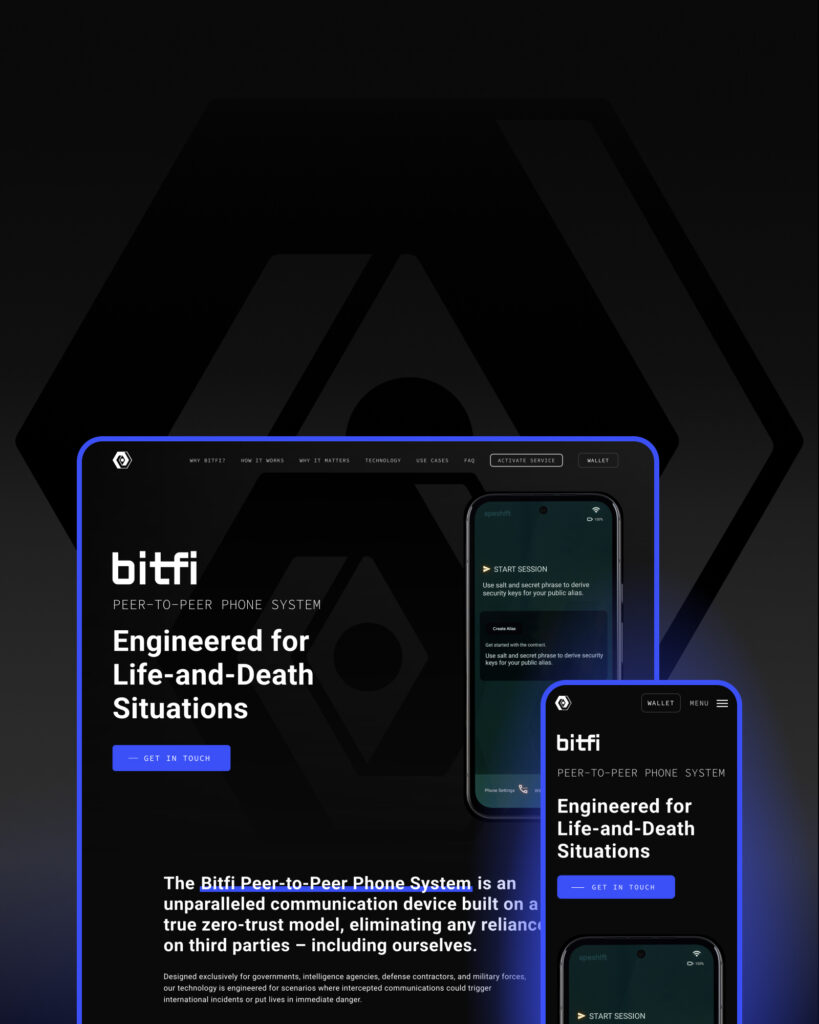
Bitfi
Bitfi
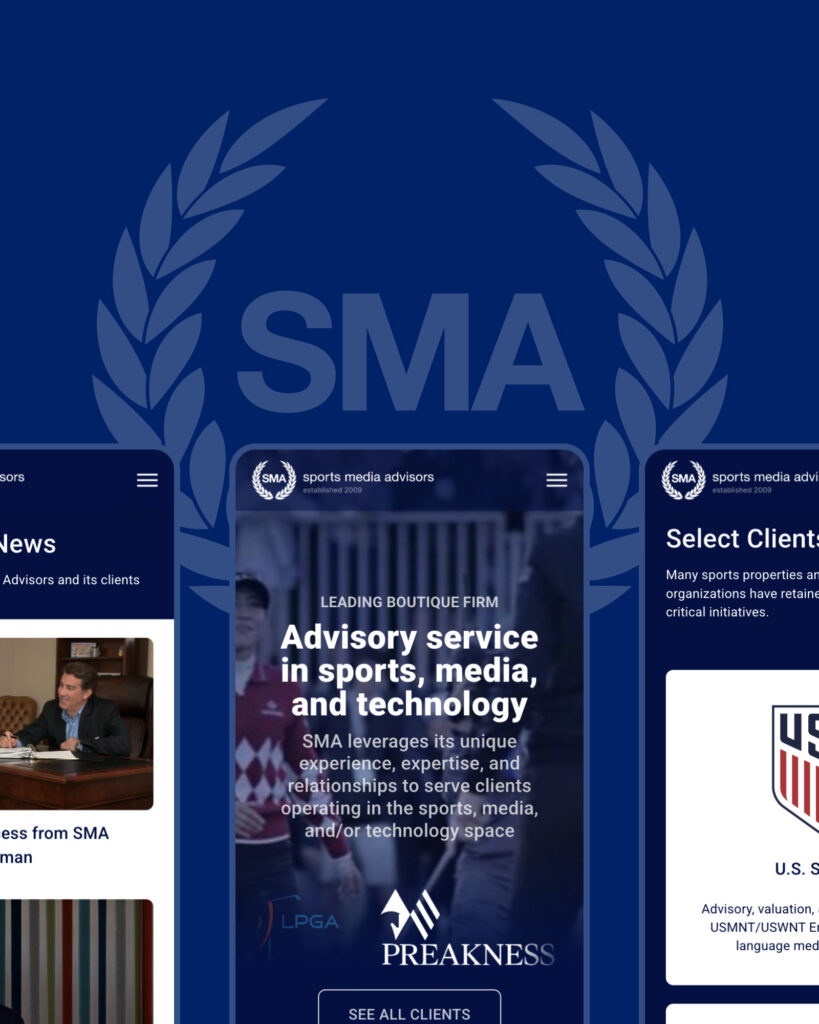
Sports Media Advisors
Sports Media Advisors
Why product teams work with Numatic
Outcome-oriented pods, not staff augmentation.
Numatic teams own the outcome of the work, not just the volume of tickets cleared.
Senior people, no handoffs.
You work directly with the engineers and product people doing the work, not account managers between you and the team.
Designed for the long haul.
Most engagements start with a 6-month commitment and continue for years. The team gets to know your product like an internal team would.
Shipping discipline.
Regular cadence, clear prioritization, real progress reviews — not chaotic delivery wrapped in agile vocabulary.
FAQ
Is this staff augmentation?
No. The Product Evolution Pod is positioned as outcome-oriented delivery support. We commit to outcomes, not to filling seats.
Can a pod include just engineers, or does it always include design and product?
Pods are scoped to what the work actually needs. Most include senior engineering plus product or design when the work calls for it. We don’t pad teams.
How does this work alongside our existing team?
We integrate into your roadmap and rituals rather than running a parallel process. Most engagements have a clear interface with a counterpart on your side — usually a CTO, head of engineering, or product lead.
What if the work shifts from feature delivery to modernization mid-engagement?
That’s common. Many evolution engagements absorb modernization work as needed. Bigger platform efforts can also become a separate Modernization engagement that runs alongside the pod.
When does AI work fit inside an Evolution Pod vs as its own engagement?
When AI is one of several priorities on the roadmap, it usually fits inside an Evolution Pod. When AI is the focused outcome — adding a specific capability like a copilot, search experience, or document intelligence feature — AI Feature Integration is the better engagement model. Both can also run alongside each other on larger products.
How quickly can a pod start?
Depends on roles needed and current availability. Most engagements begin with a short onboarding and assessment phase before steady delivery begins.